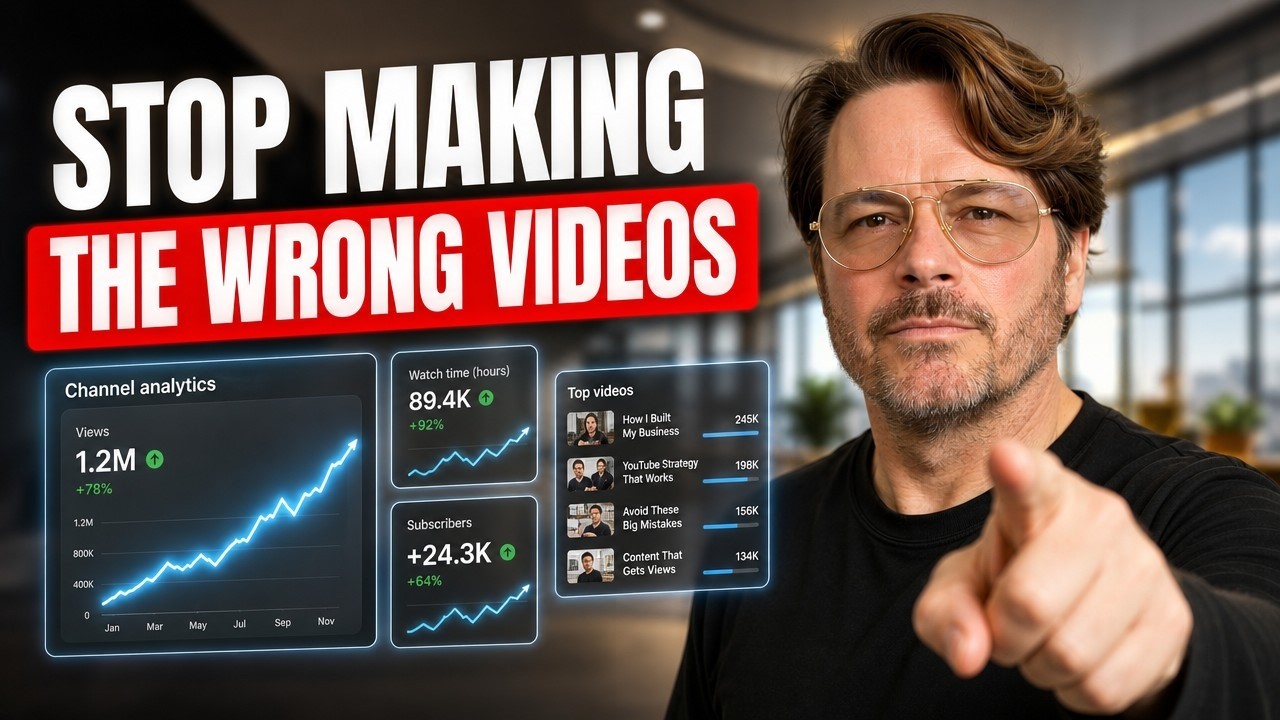
A lot of businesses think they’re struggling on YouTube because their videos don’t look professional enough, their thumbnails aren’t getting clicks, or the algorithm is somehow working against them. But most of the time, that’s not really the problem. The bigger issue is that they’re making videos people simply don’t care about. Many business owners jump into YouTube expecting results just because they’re uploading consistently, but posting content for the sake of posting rarely works. If the videos aren’t helping the audience, answering questions, or supporting business goals, growth becomes really difficult. A successful channel isn’t built on fancy editing alone. It comes from understanding what viewers actually need and creating content that gives them a reason to keep watching and come back.
When it comes to creating a good content strategy, there’s usually a mix of observation, research, and experience involved. Looking at what competitors are doing can give you ideas, and paying attention to successful creators in your space can show you what audiences respond to. Research helps too because it reveals trends, popular topics, and common questions people are searching for. But at the same time, you can’t rely on data alone. Sometimes the numbers tell one story while real audience behavior tells another. That’s why the best strategies often come from combining research with practical insights and a bit of creativity. Things change quickly on YouTube Content Strategy, so businesses that are willing to learn, adjust, and test new ideas usually have a much better chance of growing.
One thing that shows up again and again when business channels fail to gain traction is the lack of a clear plan. A lot of brands focus on publishing more videos instead of creating better ones. Others chase trending topics that bring temporary views but attract the wrong audience. The result is often a channel that feels inconsistent and disconnected. Viewers might watch one video, but they don’t see a reason to subscribe or stick around. Without a clear direction, it becomes difficult to build trust, create loyal followers, or turn viewers into customers. Growth starts slowing down, and eventually many businesses wonder why all the effort isn’t paying off.
If you’re trying to grow a business through YouTube, it helps to stop thinking about random video ideas and start thinking about audience needs. Instead of guessing what might work, focus on the questions, challenges, and interests your potential customers already have. Every video should have a purpose and fit into a bigger plan. When your content is aligned with your business goals and genuinely useful to viewers, YouTube becomes much more than just another social platform. It can help increase brand awareness, generate leads, build credibility, and create stronger relationships with customers over time. That’s where real growth usually starts.
Comments
Post a Comment