- Get link
- X
- Other Apps
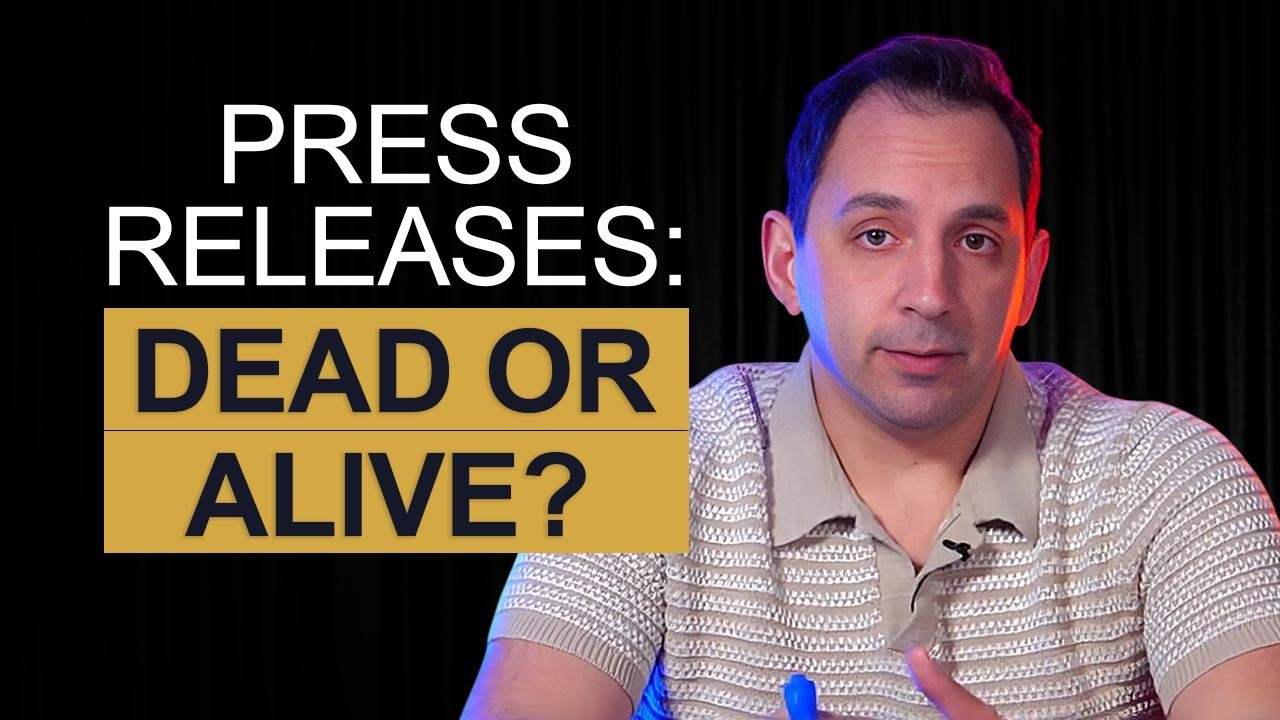
For a long time now, marketers and PR people have been going back and forth on this same idea: is the press release actually dead at this point? With social media breaking news faster than any newsroom can react, and AI tools pumping out content in seconds, it’s pretty easy to look at press releases like some old-school thing that’s outlived its usefulness.
But it’s not really that simple. The press release didn’t die it just stopped being the main character in the story.
There was a time when sending a solid, well-written release to the right wire or newsroom could actually get you decent coverage. It was basically the standard move for product launches, announcements, company updates whatever. Now though? The media world is way more chaotic. Journalists are overloaded, inboxes are a mess, newsrooms are stretched thin, and just sending a formal announcement doesn’t carry the same weight anymore.
A big part of what changed is volume. Now anyone can open ChatGPT, Claude, or Gemini and spit out a clean, perfectly structured press release in seconds. Which sounds efficient, sure, but it also means journalists are getting buried under a mountain of nearly identical, slightly robotic announcements. Same structure, same buzzwords, same polished tone and after a while it all just starts blending together into noise.
So yeah, the expectations shifted. A catchy headline alone won’t cut it anymore. Reporters want context like the actual why should I care behind the announcement. If it feels like something mass-produced and blasted out to hundreds of people at once, it usually doesn’t even make it past the first scan.
That doesn’t mean press releases should disappear though. Not at all. They still matter as the official record the place where the facts live, the quotes are confirmed, the details are clean and verifiable.
It’s more like a supporting piece now, not the main driver. Think of it as background material journalists can pull from after something else like a pitch or story angle actually gets their attention.
And if you want people to even bother reading it, the style has to change too. The overly corporate, overly polished, marketing-heavy writing doesn’t really work anymore. In fact, it kind of hurts you. Journalists tend to trust things that feel direct and human, not stuffed with jargon or obviously AI-smoothed language.
So the press release didn’t vanish. It just got demoted from center stage to more of a utility role. And nowadays, it only really works if it’s backed up by actual strategy real outreach, real relationships, and a reason for someone to care in the first place.
- Get link
- X
- Other Apps
Comments
Post a Comment